This Compulsion in Us
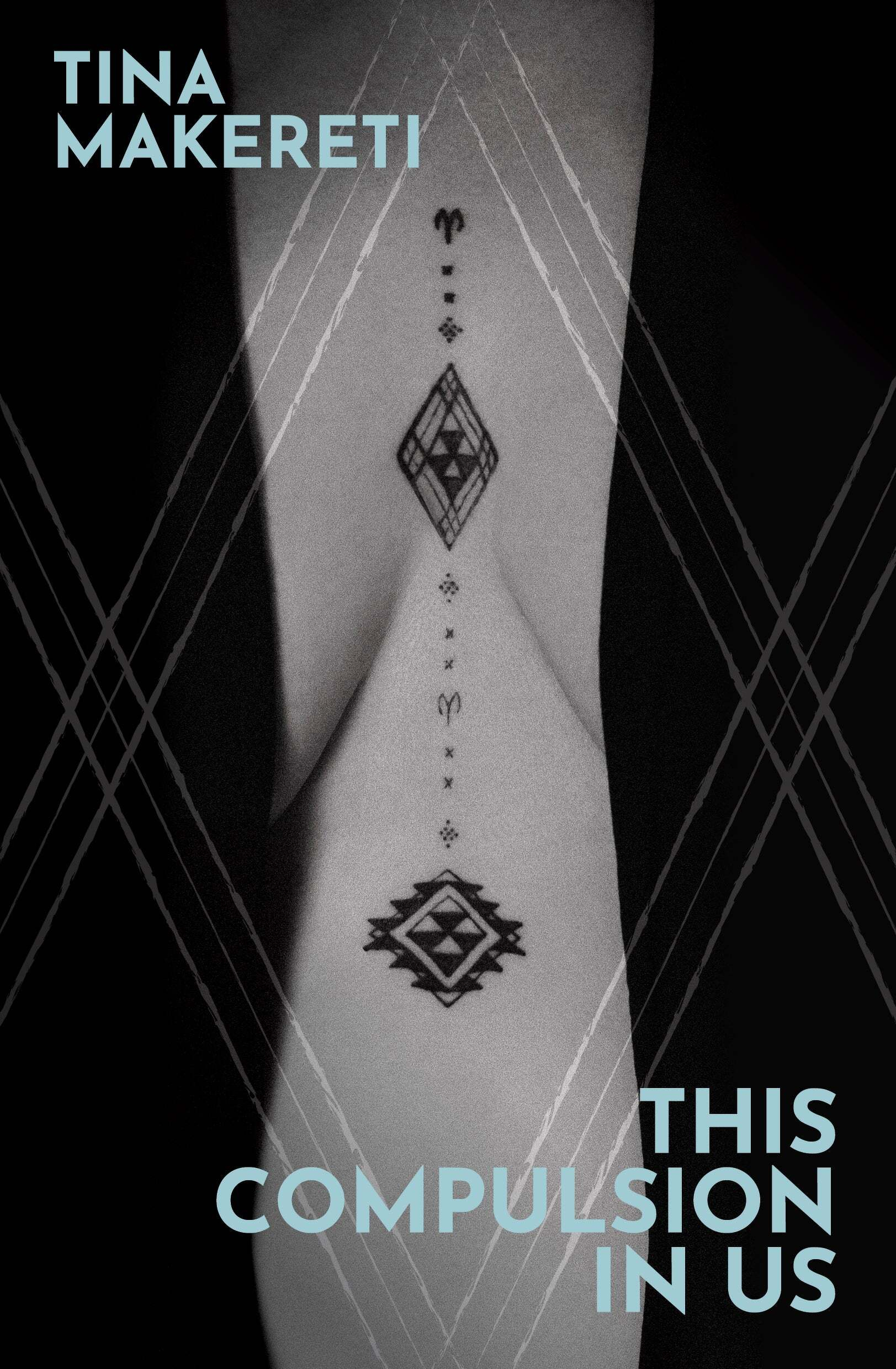
Tina Makereti’s work is an almost constant source of instruction and delight for me, and I’m feeling pleasure this morning in knowing This Compulsion in Us has been celebrated at the Ockhams. I’ve taught myself not to have opinions on prizes (I’ve not read all of the entries, so who am I to say who ought to have won, and what’s winning anyway in a reading world reliant on exchange, community, connection, talk?), but I do know that books take a lot of work and have a lot to give, and rarely get the discussions they need in our press. So it’s an exciting sense, this morning, feeling that this book will find more readers and that its essays will work their way into more lives. They’ve changed my way of thinking and keep changing it: they can do the same to you.
The Newsroom report writes of This Compulsion in Us’s “intense focus on race”. That seems to me wrong, and to miss the book’s point. It’s about whakapapa, and it’s organised by whakapapa, absolutely. But what isn’t? “Really, universally, relations stop nowhere”, the Master wrote, “and the exquisite problem of the artist is eternally but to draw, by a geometry of his own, the circle within which they shall happily appear to do so.” Perhaps a Māori artist is gifted with the ability not to worry so much about that appearance of an ending. Makereti writes carefully (and well) about being Māori and being Pākehā, and being both at once and finding ways to come out of spaces she was allowed to be neither. Those are topics as far from a “focus on race” as I can imagine. It’s a text in search of relations.
And, most important to that search, the family story ordering the essays is a way of thinking about (and honouring) whakapapa through writing an almost universal experience that can only be encountered in an irreducibly singular form. We’re all children; many of us become parents. We all will lose either our parents or our children, or both. How that happens is the story of each of our individual life: I’m not Makereti, I haven’t lived her life and don’t pretend to know the inside of her mind. None of us can know anyone that way. But she’s given me - us, all of us who read her works - access to her own processes of thought and composition and storytelling and searching and, out of that, I find something to guide my own. There’s a politics hovering behind and around all of this, certainly (we’ve got to find a way, if we’re going to live here meaningfully, to share our stories and to make sense of how we’re here, Pākehā as much as Māori). But there’s also a generosity, and the presence of a kind of grace. And that’s nothing to do with ‘race’.
Congratulations to this fine book and wishing it many more readers. I’ll take it down again from the shelf after work today.